Carole King is living proof that passion never retires. Her life, as told in She Made the Earth Move, is not just a music biography; it is a blueprint for how to keep answering the call to adventure long after the world thinks your “prime” has passed. Her story is not about one dazzling decade in the spotlight, but about a long, winding series of reinventions in which the music never stops, it just changes key.
Carole’s early years in the Brill Building are only the “ordinary world.” Young, gifted, and tucked into the hit factories of New York, she co‑wrote songs that other people made famous. She had success, yes, but mainly as the invisible hand behind the curtain. Then came the call to adventure: to give her own voice to the songs she had always written for others. That call became Tapestry, and the world heard her—not just her melodies, but her story.
Most people freeze that image of Carole King in 1971, barefoot at the piano, as if the story ends there. But I ask a different question: what happens when your masterpiece is behind you? Do you fade into nostalgia, or do you write the next chapter? Carole chose the second path, again and again. She raised children, moved away from the centre of the industry, embraced quieter seasons. Yet the creative current never stopped. New albums, experiments, collaborations—each one less about climbing the charts and more about staying true to an inner rhythm.
Then, in what many would call “retirement years,” Carole King stepped onto a new stage—literally. She became the living heartbeat behind the musical Beautiful, sharing her life story with a new generation. She toured again, recorded again, stood in front of audiences who were not yet born when Tapestry came out. In a world obsessed with youth, she showed that the mature artist has something youth cannot: depth, perspective, and a long relationship with her own gifts.
Carole King’s biography is a case study in the “Test Drive Your Dream Job” chapter. She didn’t cling to one identity—“hit songwriter” or “seventies superstar.” She tried new roles: activist, mentor, live performer, Broadway inspiration, elder stateswoman of song. Each phase was a 90‑day prototype that turned into a new act. She kept asking: where does my music want to go now? Who needs to hear my story next?
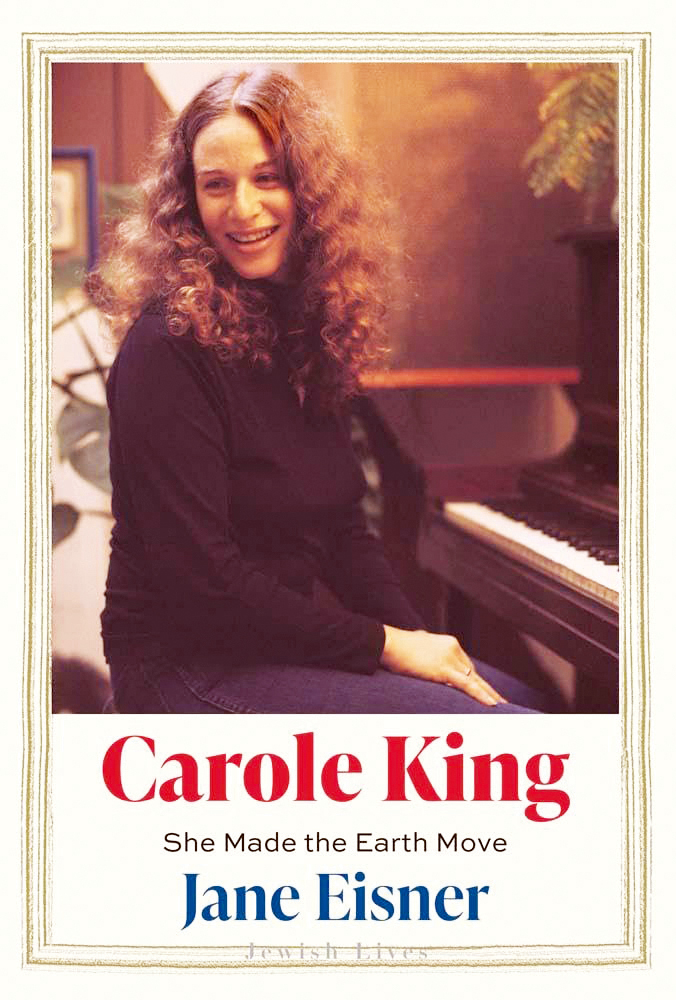
Her journey speaks directly to entrepreneurs and professionals over 50. Carole shows that your early triumphs are not the end credits; they are your origin story. The stage of your life may change—from studio to kitchen table, from arena to theatre—but the passion that animated you at 25 can become wiser, braver, more generous at 65 and beyond. The world may label you “legacy,” but Passion Never Retires reads your life as Carole King reads a melody: a theme that keeps returning, deeper and richer, every time it plays.
Carole King made the earth move. More importantly, she kept moving long after the earth stopped applauding the first time. That is the essence of Passion Never Retires: your greatest work may not be the song that made you famous, but the life you compose afterward—verse after verse, long after the curtain was supposed to fall.
 Passion Never Retires